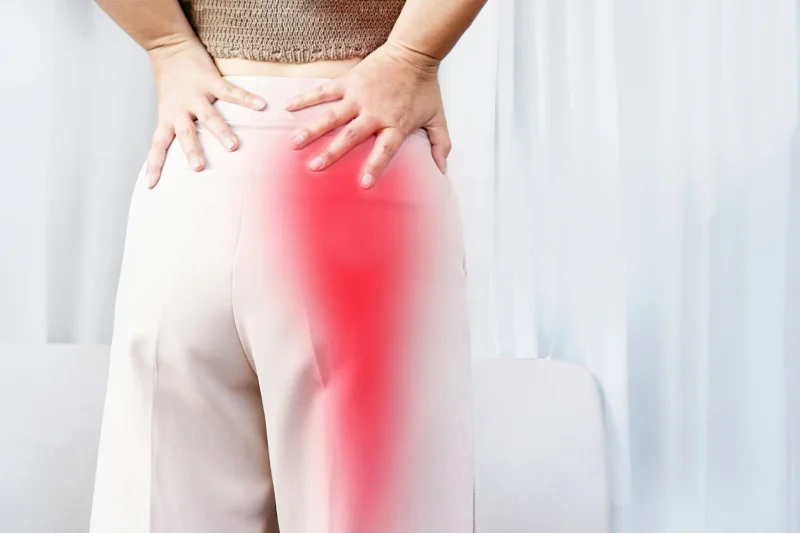
Truth be told, if you continue down the same path you will get the same result. The solution to various problems may simply be about identifying the issues at hand. From that, we learn to change our course of action to get a more favourable result.
A New Lifestyle
Remote work and hybrid schedules have fundamentally changed how many of us move through the day. We are finding ourselves sitting for longer and longer stretches — the lunchroom walk, the commute, the trip between desks are gone. Technology has us glued to screens for hours on end, and there may no longer be a reason to get up for paper or a file. Everything is electronic. And the less we move, the more our bodies pay the price.
Unfortunately for us, our body is not designed for continuous sitting. We may be able to tolerate sitting for a few stretches of it. However when we are referring to everyday, 5 days a week for a year or two. The amount of stress really does add up to certain muscle groups of our body.
Sitting and Effects on Our Body
When we sit for a long periods of time, we have taken out the largest group of muscles that supports our body. Our hip muscles such as gluteus maximus and quadriceps are big muscles that can support the weight from our head down to our hips. Without the use of these muscles, our body starts to put strain on our back muscles. These includes our illiopsoas to our extensors such as multifidus. On top of that, we start to reduce the use of our front core muscles. Our abdominals and obliques become disengaged. Think of not using your six packs.
What can We Do?
In general, sitting creates huge imbalance in our body. Imbalances leads to stress and stress leads to strain and pain. It is important to understand where these imbalances are in your particular situation as symptoms varies. Through a proper medical assessment conduct by a physiotherapist, we can identify where these strains are. As well with proper physiotherapy treatment, we can realign ourself to go down the right path.